
Community Science


Join the Research
Community Science at Smokey House Center is an invitation to become part of the research happening on this living landscape. Through trail-based monitoring programs, community members of all ages and backgrounds contribute directly to the ecological understanding of Smokey House Center’s 5,000 acres, helping track wildlife, document plant populations, and gather data that informs real land management decisions. This is not passive observation, it is hands-on stewardship, rooted in place, and open to everyone. Whether you are a lifelong naturalist or simply curious about the world outside your door, there is a role for you here.

View's of the Taconic Range at Smokey House Center

Help Monitor Bats with NABat Mobile Acoustic Transect Surveys
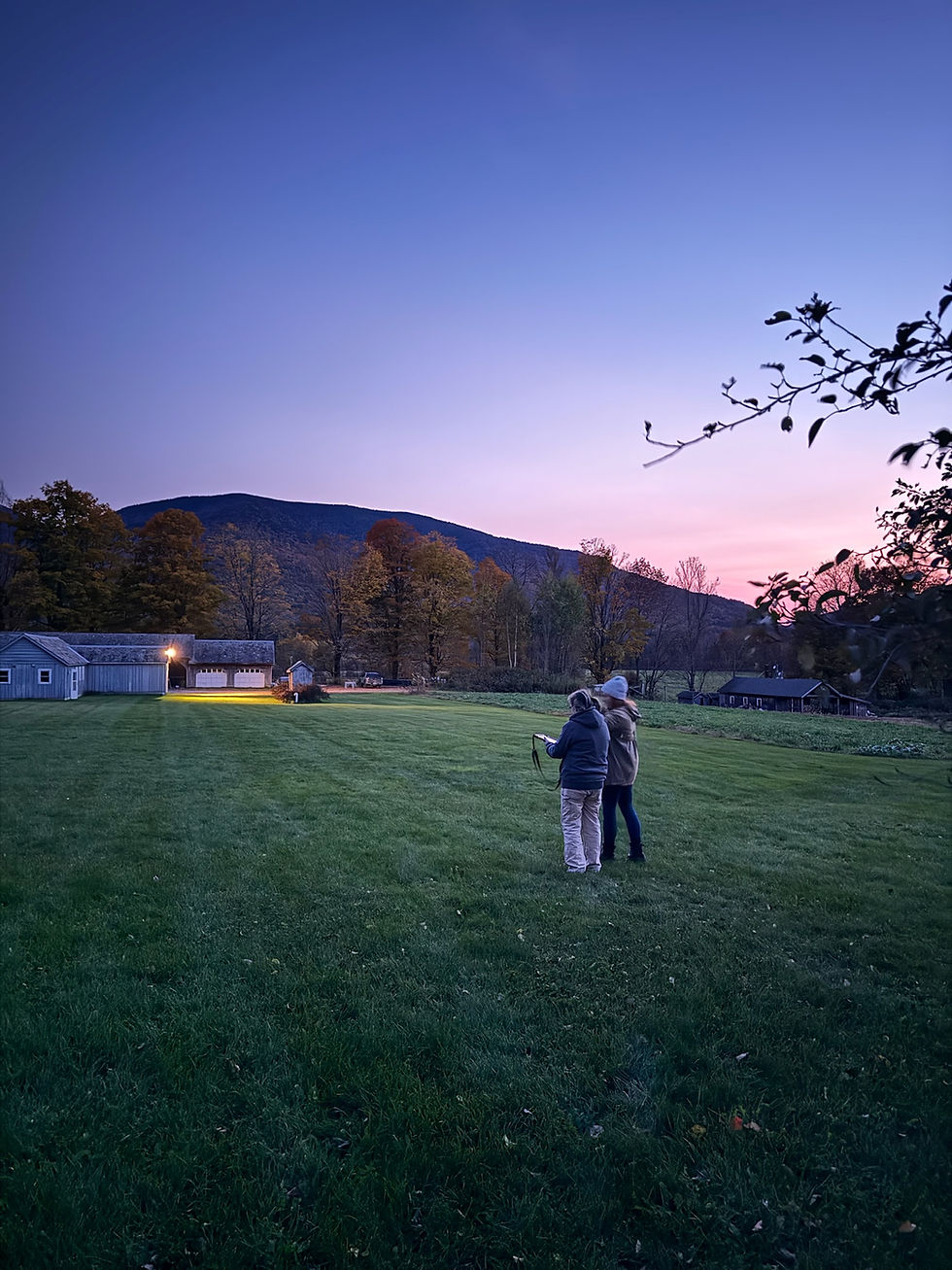
The Vermont Department of Fish and Wildlife, in partnership with Smokey House Center, is looking for dedicated volunteers to help monitor local bat populations. By participating in the North American Bat Monitoring Program (NABat), you will collect vital data to help biologists track the health, habitat use, and population trends of Vermont’s nine native bat species—including endangered species like the Little Brown Bat.
We are seeking volunteers to conduct NABat Mobile Acoustic Transect Surveys right here in our region and across the state.
Become a Community Scientist: Monitor Vermont’s Night Skies!

Help Monitor Native Snakes in our Valley
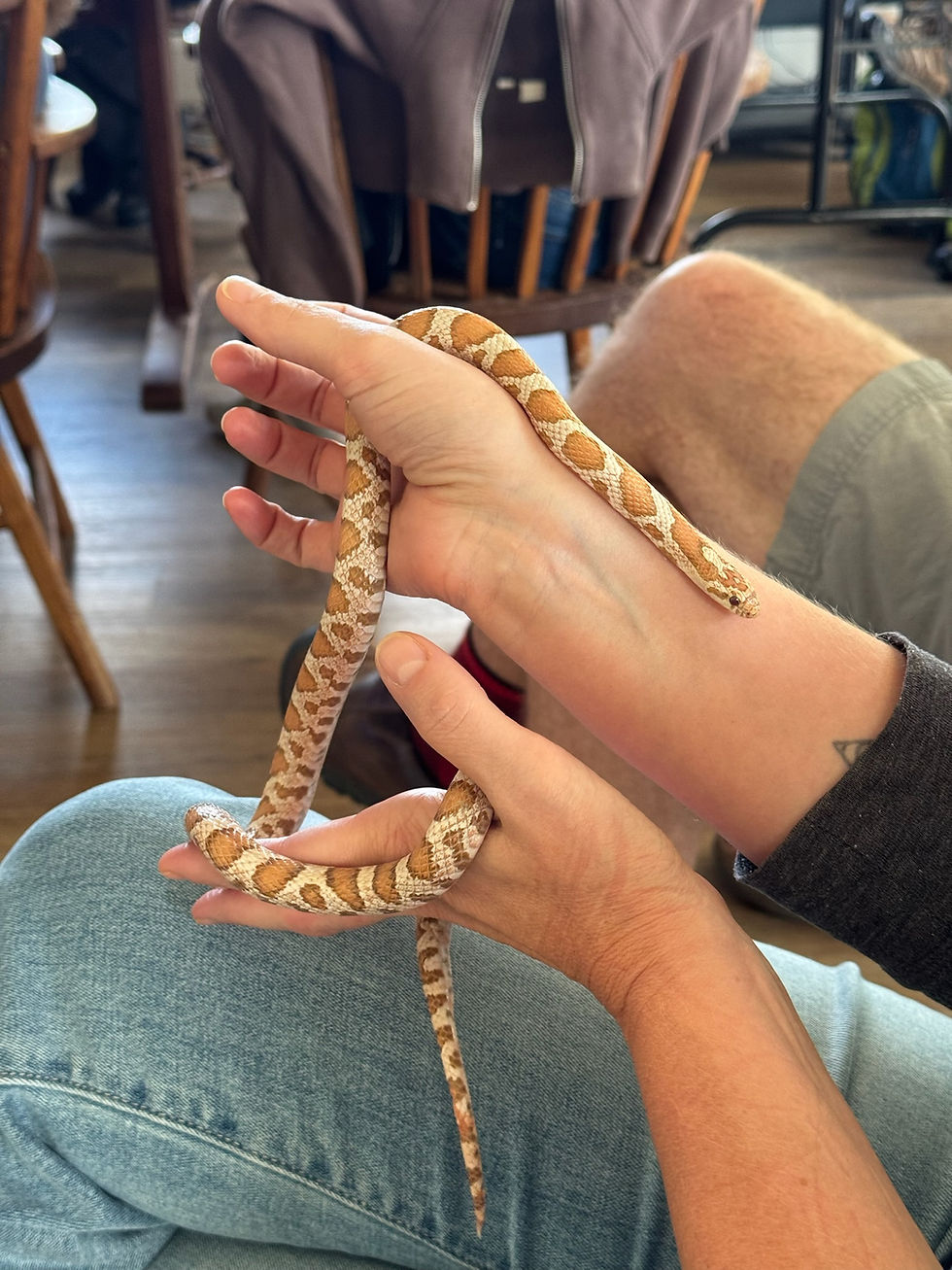
Snakes are a vital but often overlooked and underappreciated part of Vermont's ecosystems. As both predator and prey, they regulate rodent populations, support birds of prey, and signal the overall health of the habitats they occupy. Yet snakes face serious pressures from habitat loss, road mortality, persecution, and climate change.
Vermont is home to 11 snake species, including the state-endangered Timber Rattlesnake and the state-threatened Central Ratsnake. Many of these species are secretive and difficult to detect—which is exactly where snake board monitoring comes in.
Long-term community science data collected by volunteers like you helps the Vermont Fish & Wildlife Department track population trends, identify critical habitat, and inform statewide conservation and policy.
Become a Snake Ambassador

Help Monitor Birds with BirdWeather PUC Units
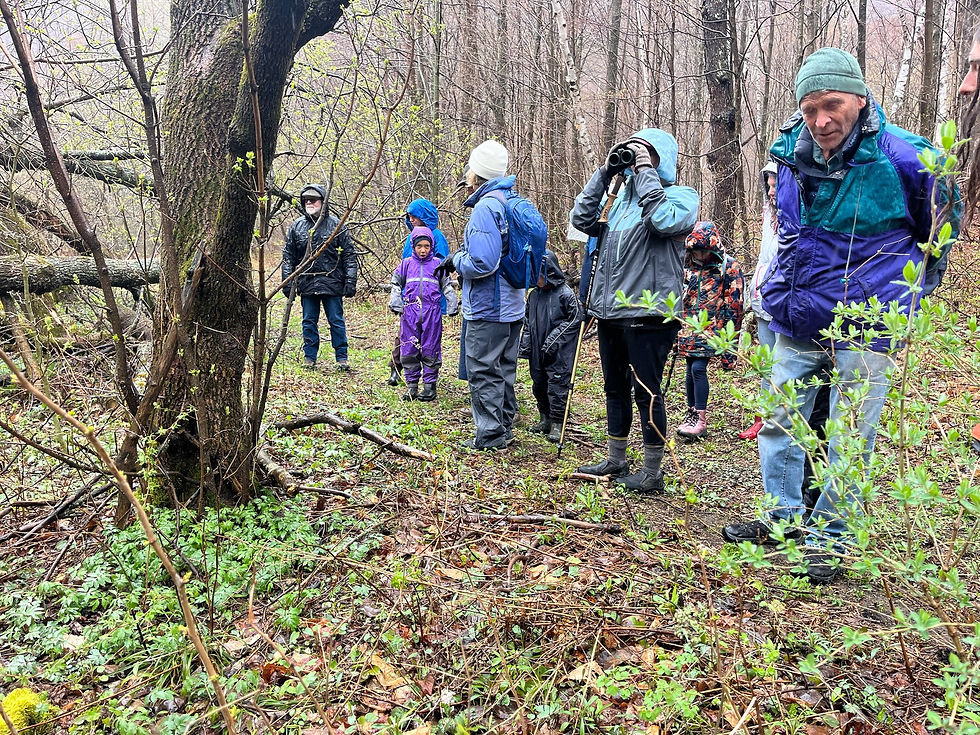
Many bird species are in crisis. The US has lost over 3 billion birds since 1970. To understand and consequently to better manage birds and their habitats in southern Vermont, Smokey House Center launched a long-term bird biodiversity monitoring initiative in 2025.
At the heart of this effort are four BirdWeather PUC (Portable Universe Codec) autonomous recording units deployed across Smokey House's diverse 5,000-acre landscape — from open fields and beaver ponds to regenerating pine forest and a mountainous sugar maple stand.
In our first season, PUCs recorded continuously for 126 days and detected 115 species across all four sites — far exceeding what human observers alone could accomplish. Now we need your help to keep them running!
Become a Community Scientist: Adopt a PUC!

Help Preserve Black Ash
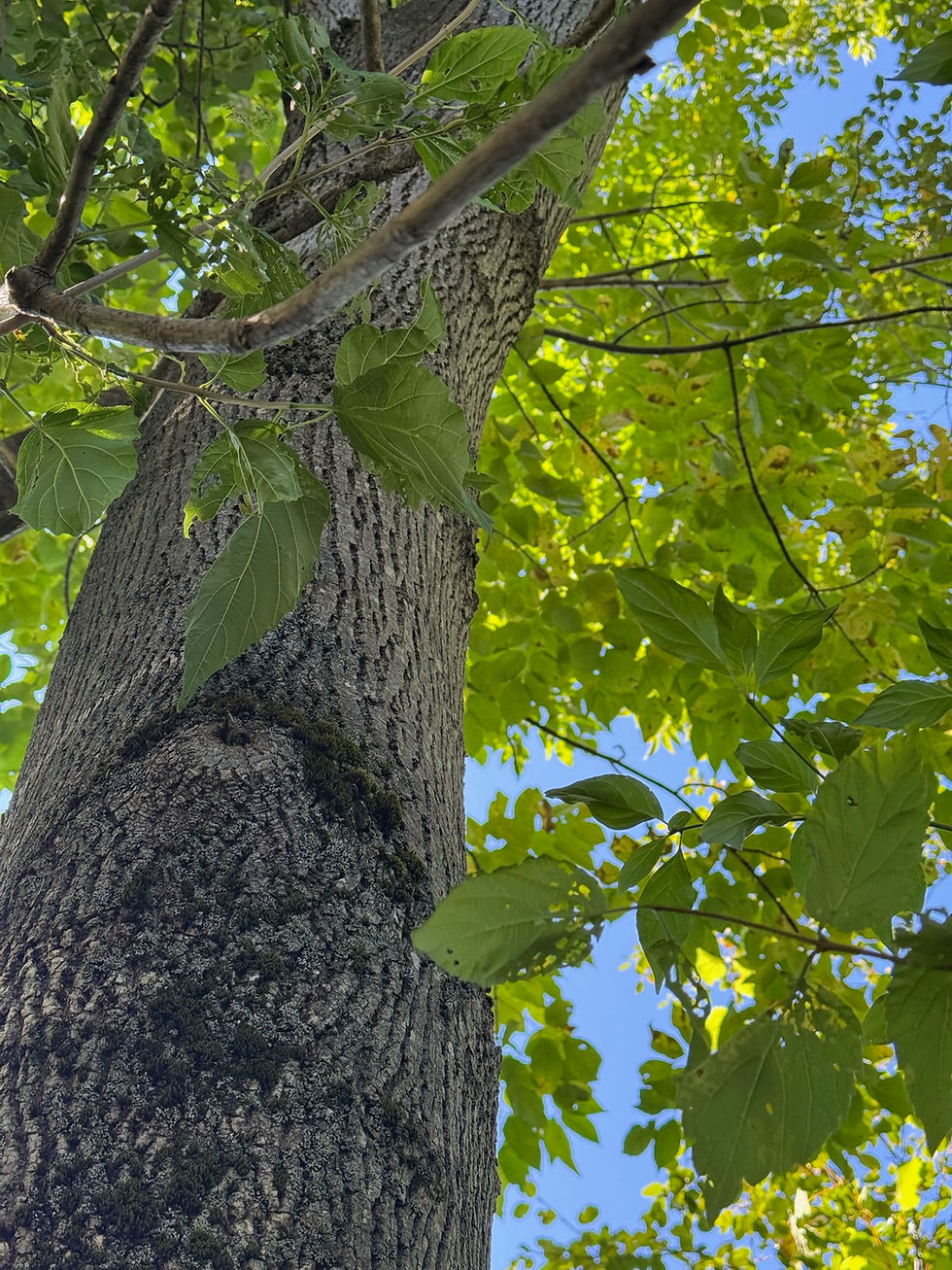
The emerald ash borer (EAB), an introduced insect first identified in the US in 2002, has spread across Vermont and is devastating ash trees statewide. As EAB tunnels beneath the bark, it disrupts the tree's ability to move water and nutrients. Its spread is resulting in staggering losses to ash populations throughout Vermont’s forests.
But EAB doesn't kill every ash tree it encounters; a small but meaningful portion of ash trees are showing natural resistance. There is still hope if we act now!
One thing can help with this year is identifying black ash populations for seed collection.
Black Ash Seed Collection and Preservation...
We Need Your Help!
Birding & Recreation @ SHC
There is no single way to experience Smokey House Center. This is a living, working landscape, and it reveals itself differently depending on how you move through it, what you are looking for, and what time of year you arrive. Whether you come to bird, to hike, to volunteer, to pick blueberries, or simply to breathe, there is something here for you.

Killdeer at Smokey House Center

Smokey House Center’s diverse working landscape, spanning hardwood forest, open meadow, riparian corridors, and shrubby edge habitat, makes it a rich destination for birders of all experience levels. The property sits along a significant bird migration corridor and is home to a wide variety of resident and migratory species throughout the year. Whether you are scanning the sugarbush for warblers in May or listening for owls on a winter evening, Smokey House Center offers a rare opportunity to observe birds in a living, actively managed landscape.
See what birds are at Smokey House Center in real time by downloading the Haiku App and searching for "Smokey House Center"
Birding

Smokey House Center’s trail network offers visitors a quiet, unhurried way to experience 5,000 acres of Vermont working landscape. Trails wind through hardwood forest, past research plots and sugarbush, across open farmland, and along streams, with views of Dorset Peak and the surrounding Taconic Range. The network is open to the public year round for walking, hiking, snowshoeing, and cross-country skiing, and serves as the backbone of Smokey House Center’s Community Science monitoring program.
Smokey House Center is currently in the middle of a significant trail restoration effort, addressing years of degradation across the network. Work includes fixing culverts, rebuilding worn and eroded sections, and a full rework of the Northern Loop trail on the main campus. This investment will improve safety, protect the surrounding ecosystem, and expand access for community members, students, and visitors for years to come. Help us get it done: